Working With HWA From Anywhere in New Zealand
For many people, choosing an architect begins with geography. It seems logical to work with someone based nearby. After all, they'll be able to visit the site, meet with the builder, and attend meetings more easily.
While location certainly has its advantages, proximity alone doesn't guarantee the best outcome. In some regions, high demand can result in long lead times or limited availability. In others, local architectural services may be more difficult to access. With modern communication, cloud-based collaboration, and the ability to travel when required, the distance between architect and project has become far less significant than it once was.
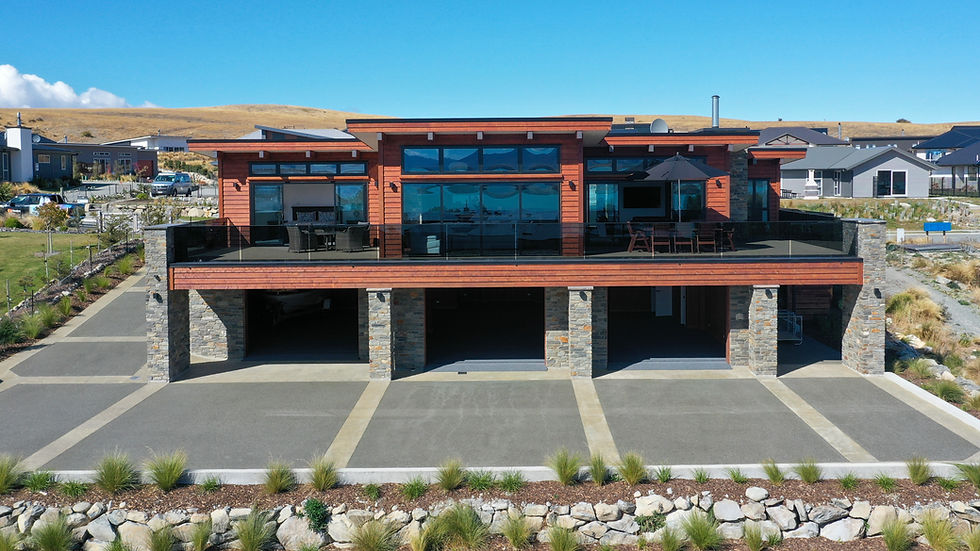
Today, I work with clients, consultants, and contractors throughout New Zealand. Whether a project is two hours' drive from Wellington or a short flight away, the process remains remarkably similar. Meaningful site visits are planned where they add value, while day-to-day collaboration takes place through Microsoft Teams, shared documentation, and regular communication.
The success of these projects has far less to do with where I am based and far more to do with thoughtful planning, clear communication, and the quality of the information provided.
Good Architecture Travels Well
Every project begins with understanding the site.
That may involve an initial site visit, meetings with the client, reviewing survey information, drone photography, laser scanning, or discussions with local consultants.
Spending time on site remains important. Understanding how the land feels, where the sun falls, how the views open, and how the building will be experienced cannot always be achieved through photographs alone.
Once those opportunities and constraints are understood, much of the design process can be undertaken collaboratively regardless of where everyone is located.
Collaboration Without the Commute
Modern communication tools have transformed the design process.
Regular meetings are held using Microsoft Teams, allowing clients to review drawings, explore three-dimensional models, and make decisions together in real time.
Screen sharing, digital mark-ups, and cloud-based documentation mean decisions can often be made more efficiently than gathering everyone around a meeting table.
Clients remain closely involved throughout the design process while avoiding unnecessary travel and disruption.
Site Visits Where They Add Value
Not every meeting needs to happen on site. I prefer to travel when it genuinely adds value to the project.
Early site investigations, important design presentations, consultant workshops, construction milestones, and final inspections are often best undertaken in person.
Routine coordination, however, is frequently more efficient online, allowing decisions to be made quickly without waiting for everyone's schedules to align.
This approach makes it practical to work on projects throughout New Zealand while maintaining a high level of personal involvement.
Clear Documentation Creates Better Projects
One of the greatest advantages of thorough documentation is that it reduces uncertainty.
Builders shouldn't need to guess what the drawings mean. Consultants shouldn't be making assumptions. Clients shouldn't be left wondering what has been included.
I place significant emphasis on preparing clear, coordinated documentation that allows everyone involved in the project to work with confidence.
This becomes even more valuable when projects are located outside my local area, as well-prepared drawings reduce unnecessary questions, minimise delays, and support better construction outcomes.
Local Knowledge Still Matters
Although I regularly work throughout New Zealand, every region has its own planning framework, consultants, contractors, suppliers, and construction challenges.
Rather than pretending to know every local authority intimately, I work alongside trusted surveyors, engineers, planners, and specialist consultants who understand the specific requirements of each region.
Combining local knowledge with independent architectural advice often produces the strongest outcomes.
Distance Shouldn't Limit Good Design
Some of my most rewarding projects have been hundreds of kilometers from my office, including on different islands.
What connects them is not geography, but clients looking for thoughtful design, practical advice, and clear communication.
Whether your project is in Wellington, Otago, Canterbury, Horowhenua, Hawkes Bay, or elsewhere in New Zealand, the design process remains the same.
Understand the site. Ask the right questions. Communicate clearly. Prepare documentation that gives everyone confidence.
When those fundamentals are in place, great architecture can happen almost anywhere.

Comments